

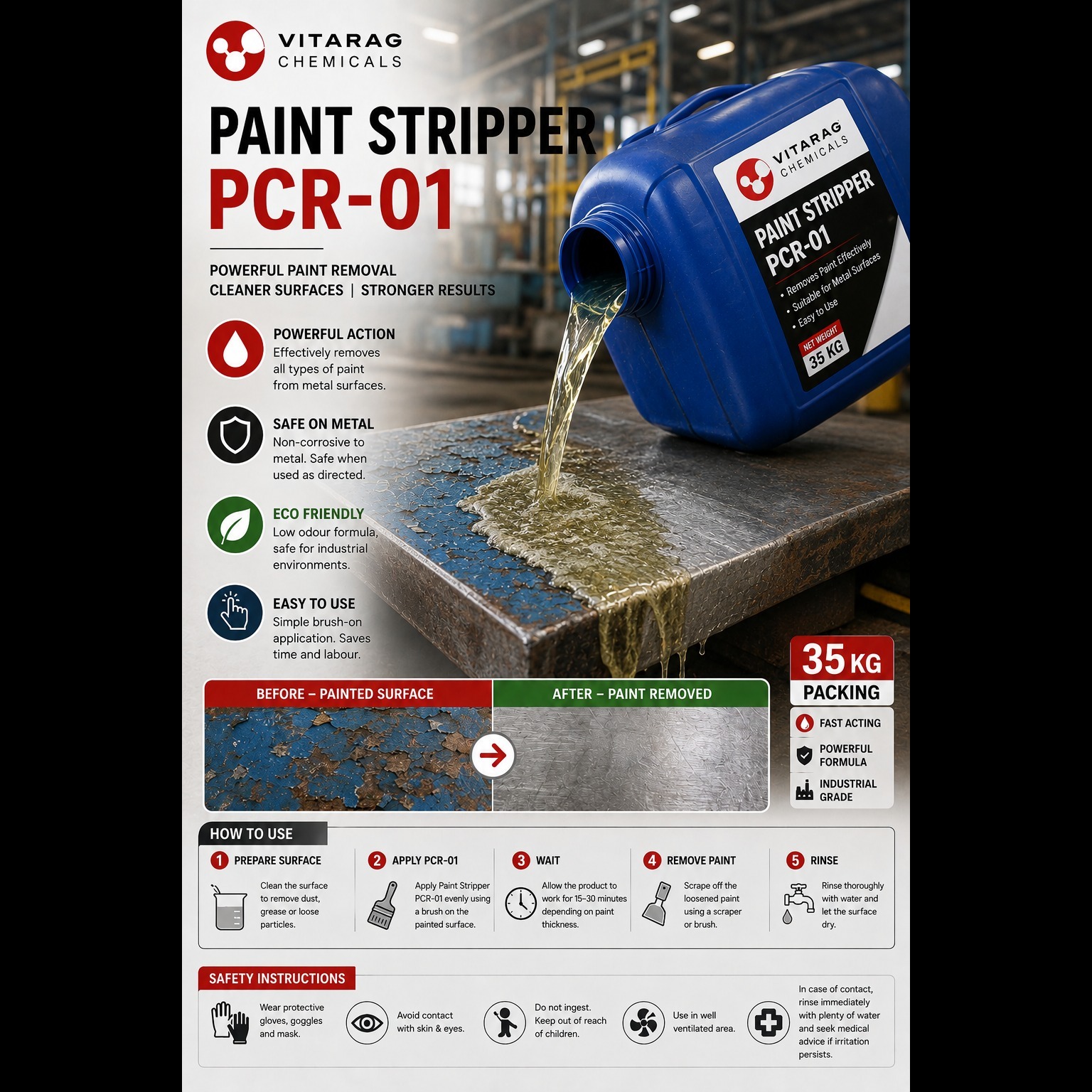
Powder coating removal from aluminum means removing the cured powder-coated finish from an aluminum part without excessively damaging the underlying metal.
1. Chemical stripping
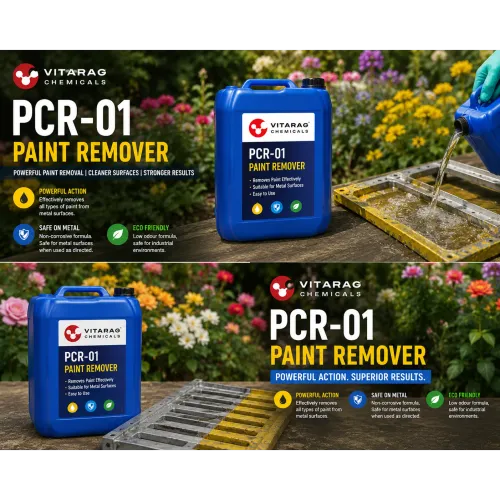
Specialized powder-coat removers dissolve or loosen the coating.
Often used for complex shapes where sanding is difficult.
The aluminum must be rinsed and cleaned afterward.
2. Media blasting
Uses abrasive materials such as plastic media, glass beads, walnut shells, or other blasting media.
Removes the coating mechanically.
Care must be taken because aggressive abrasives can erode or roughen aluminum.
3. Thermal removal
Controlled heating softens or decomposes the coating before cleaning.
Temperatures must be carefully managed because excessive heat can affect aluminum properties.
4. Mechanical removal
Sanding, grinding, or wire brushing.
Suitable for small areas or touch-up work.
Can leave scratches if not done carefully.
* Key considerations
- Aluminum is softer than steel, so removal methods must avoid gouging, distortion, or excessive surface roughening.
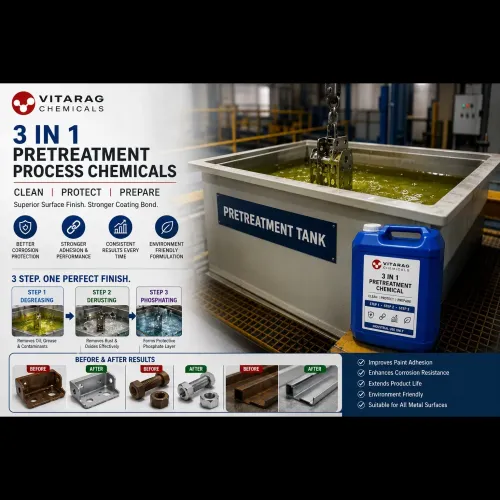
- After coating removal, the surface is usually cleaned and prepared before repainting, re-powder-coating, or anodizing.
- Environmental and safety requirements should be followed, especially when using chemical strippers.