
Passivation of Stainless Steel
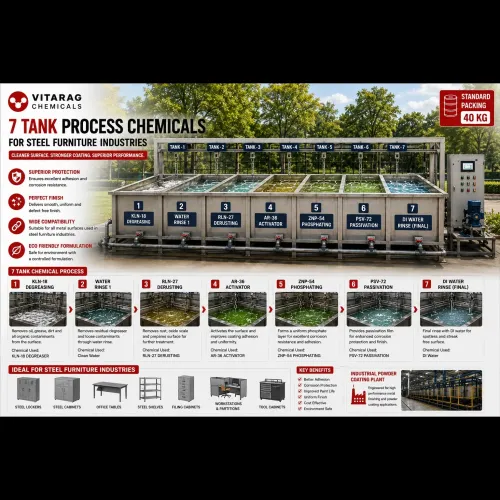
- Passivation is a chemical treatment process that enhances the corrosion resistance of stainless steel by removing free iron and other surface contaminants. This process creates a thin, inert oxide layer (usually chromium oxide) on the surface, which protects the underlying metal from corrosion.
* Steps in the Passivation Process
1. Preparation
Surface Cleaning: Remove all grease, oils, and other contaminants using a degreaser or cleaner.
Descaling (if necessary): Use pickling paste or solutions to remove heavy oxide scales or welding discoloration.
2. Chemical Treatment
Acid Bath: Immerse the stainless steel in a passivating solution, typically nitric acid (20–50% concentration) or citric acid. The choice of acid depends on the grade of stainless steel and environmental considerations.
Nitric Acid: Effective but more hazardous and requires careful handling.
3. Rinsing
After treatment, rinse the stainless steel thoroughly with deionized water or distilled water to remove any residual acid and prevent staining.
4. Drying
Air dry or use a lint-free cloth to avoid introducing new contaminants. #Passivation Manufacturer.